|
New article in press in Journal of Animal Ecology |
|
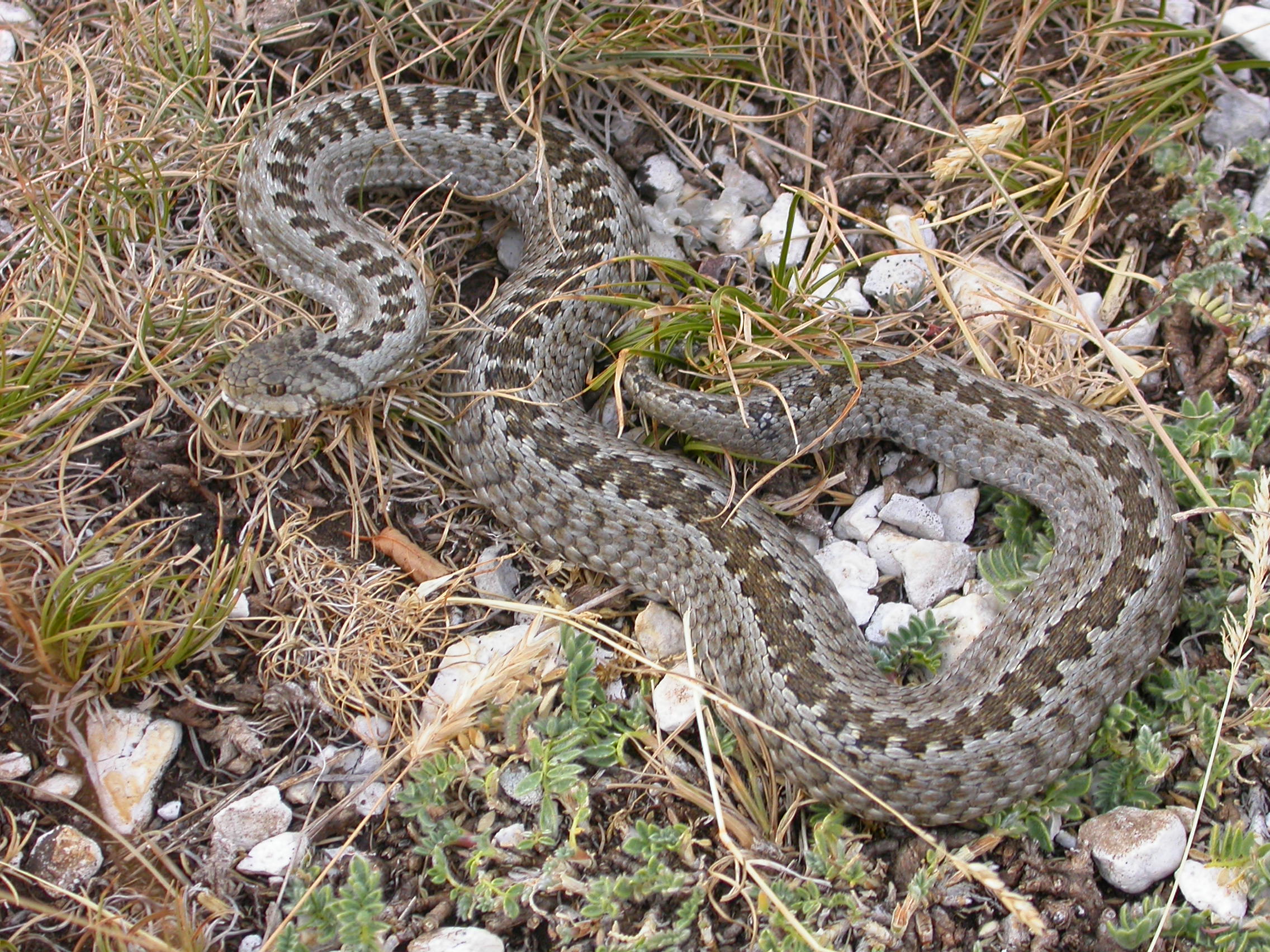
Baron, J.-P., J.-F. Le Galliard, T. Tully, and R. Ferrière. 2010. Cohort variation in offspring growth and survival: prenatal and postnatal factors in a late-maturing viviparous snake. Journal of Animal Ecology.
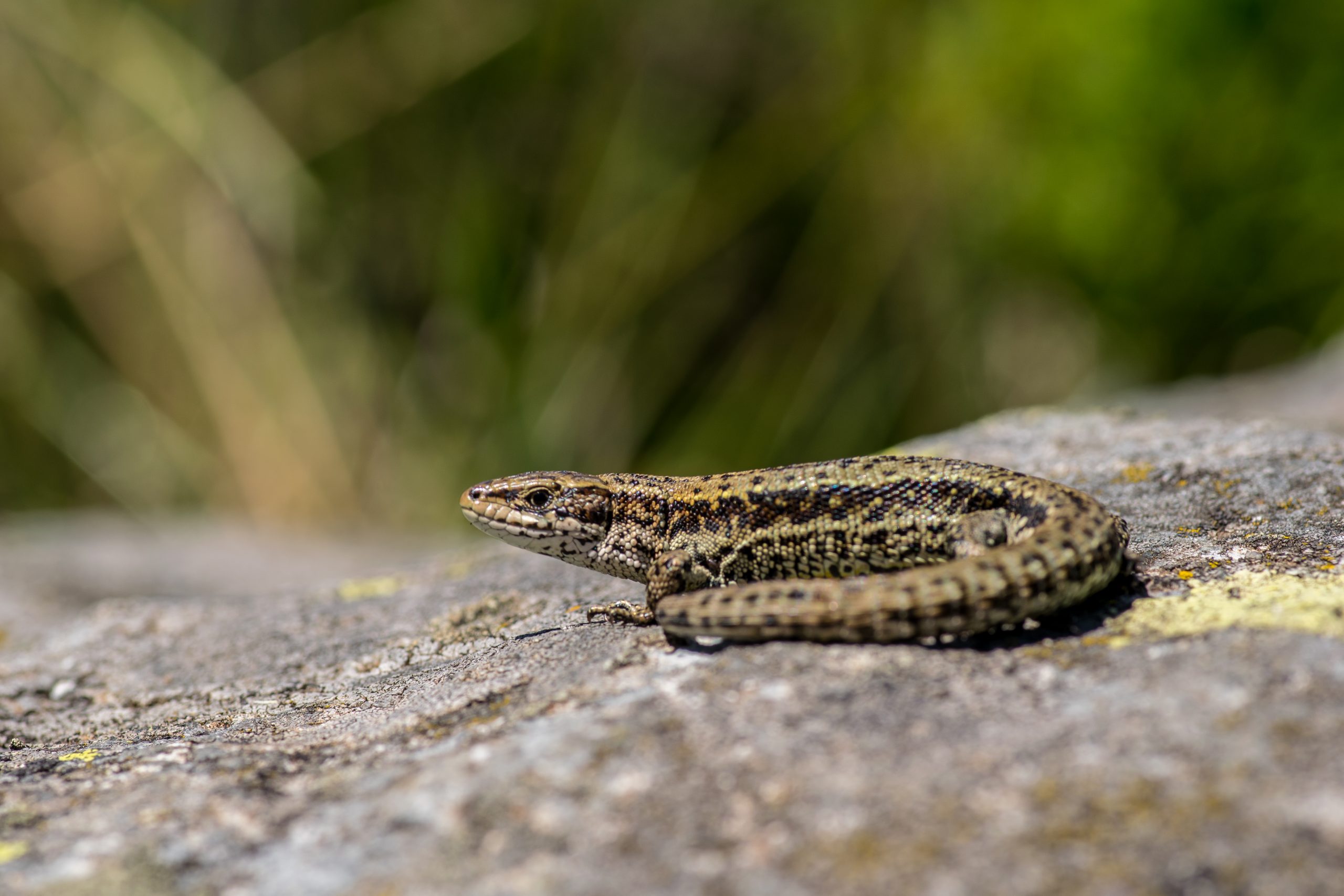
Factors of cohort variation in offspring growth and survival are poorly known in snakes. Our results show that similar life history patterns are detected in these species relative to birds and mammals, and have therefore broad implications for the understanding of temporal variation in fitness traits for late maturing reptiles. |
|
|
New book chapter in conservation biology |
|
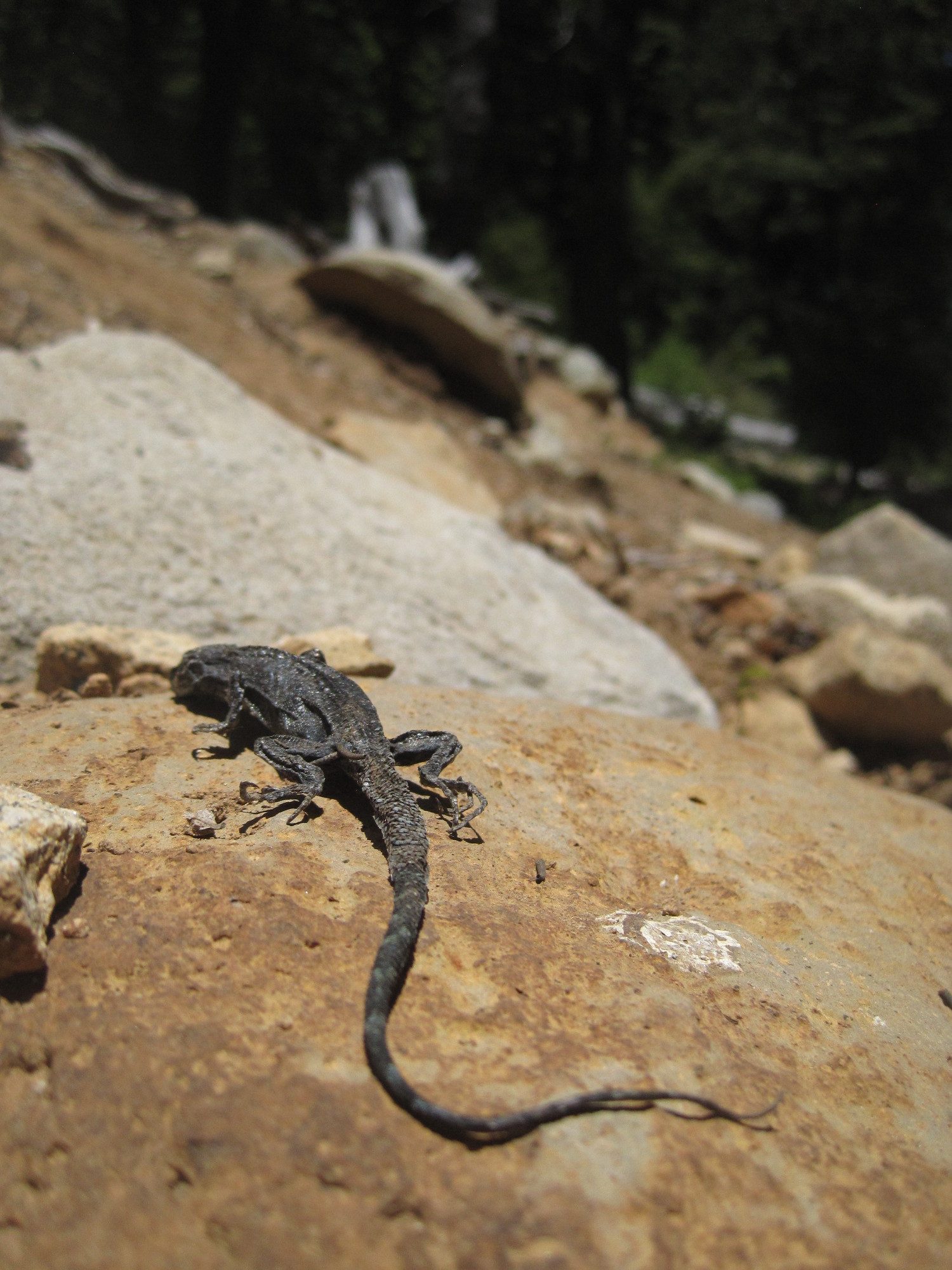
Le Galliard, J.-F., M. Massot, J.-P. Baron, and J. Clobert. In press. Ecological effects of climate change on European reptiles. J. F. Brodie, E. Post, and D. Doak, editors. Conserving wildlife populations in a changing climate. University of Chicago Press. |
|
Last Updated ( lundi, 08 février 2010 )
|
|
Read more...
|
|
|
Poste de technicien à l'UMS |
Le centre de recherche CEREEP-Ecotron IleDeFrance situé à Saint-Pierre-les-Nemours en Seine-et-Marne ouvre à la mutation un poste de technicien fonctionnaire en BAP G à l'Ecole Normale Supérieure rattachée au Ministère de l'enseignement supérieur et de la recherche. Le technicien travaillera dans une Unité Mixte de Service (UMS ENS/CNRS) dédiée à l'écologie expérimentale et sa fonction sera d'assurer la responsabilité logistique et patrimoine du centre de recherche (domaine de 78 ha d'espaces naturels et de 110 m2 SHON de bâtiment). Le poste est affiché à la bourse à l'emploi des personnels ITRF et à la bourse interministérielle (BIEP ). Le poste de catégorie B est disponible à la mutation pour toute personne titulaire à partir du mois de mai 2010. Les candidats intéressés sont invités à envoyer leur CV et lettre de motivation à jean-francois.le.galliard at ens.fr. Le profil du poste est disponible sur le site de la Bourse Interministérielle de l'Emploi Public ( http://www.biep.gouv.fr/) ou sur simple demande. |
|
Last Updated ( lundi, 08 février 2010 )
|
|
|
Ideas and Perspectives on Dispersal ecology and evolution |
Our research group has produced a review that provides substantially new ideas and perspectives on dispersal ecology and evolution, with a particular emphasis on the importance of behavioral flexibility and inter-individual variation in dispersal strategies. This review will appear soon in an issue of Ecology Letters and can already be accessed as an Online Early publication. You are most welcome to read this publication ! |
|
Last Updated ( mardi, 30 décembre 2008 )
|
|
Read more...
|
|
|
Winter demography and the impact of a "hot" winter spell in Norway |
 Voles and lemmings populations exhibited regular population cycles during the last century and this has caught the attention of population biologists thus leading to a plethora of potential explanations. During the last decade, however, some of the most famous populations of voles in Fennoscandia have tended to become more stable and cycles have been less prononced or even disappeared. This "fading out of the population cycle" has been explained by some effects of extrinsic climate factors (Ims et al. TREE 2007). For example, in Northern Europe, collapses of the voles' population cycles may involve warmer winters that cause stronger mortality, especially during "hot" winter spells that provoke snow melt followed by icing on the ground. Unfortunately, we lack understanding of the determinants of demographic tactics of voles during the winter. In this study, Katrine Hoset and our group took the opportunity of a unique winter spell causing either weak or severe ice accumulation on the ground inside 6 controlled enclosures to examine potential effects of ice accumulation on space use, survival and reproduction in overwintering root voles. Quite surprisingly, this study indicates relatively weak effects of ice accumulation on demography and suggests that other mechanisms, such as spring mortality, may be more importantly affected in this species. The manuscript will appear in a forthcoming issue of Population Ecology. |
|
Last Updated ( mercredi, 04 mars 2009 )
|
|
Read more...
|
|
|